

Today’s Newsletter Includes:
Why fish get tartar sauce instead of public sympathy
What happens when you turn rivers into glorified plumbing systems
A reminder that if the fish disappear, a lot more disappears with them too
A sneak peak into Wild Game Kitchen season 6 premiering Monday

Six seasons in and I’m still finding new ways to light things on fire.
Grill Week starts tomorrow on Tastemade with a full week of live-fire cooking to kick off summer. Then on Monday, Wild Game Kitchen Season 6 officially premieres.
This season is packed with the food I love most: whole animals, fresh fish, wild ingredients, hardwood coals, and the kind of meals meant to be shared outside with good people around the table.
I made this show because I believe cooking should feel adventurous, approachable, and deeply delicious. The goal is always the same: cook fearlessly and have fun doing it.
Watch Wild Game Kitchen, Barbecue: Life of Fire, Grill’n After Dark, and more streaming May 23–29 on Tastemade. And before you fire up the grill this weekend, dig into the full Wild Game Kitchen recipe archive below.
The Freshwater Fish Collapse Nobody Wants to Talk About
One of the biggest wildlife collapses on earth is happening underwater, mostly out of sight and almost entirely out of mind. People love charismatic environmental mascots. Polar bears get posters. Pandas get tote bags. Whales get documentaries narrated by Morgan Freeman. Fish? Sadly, fish get tartar sauce.
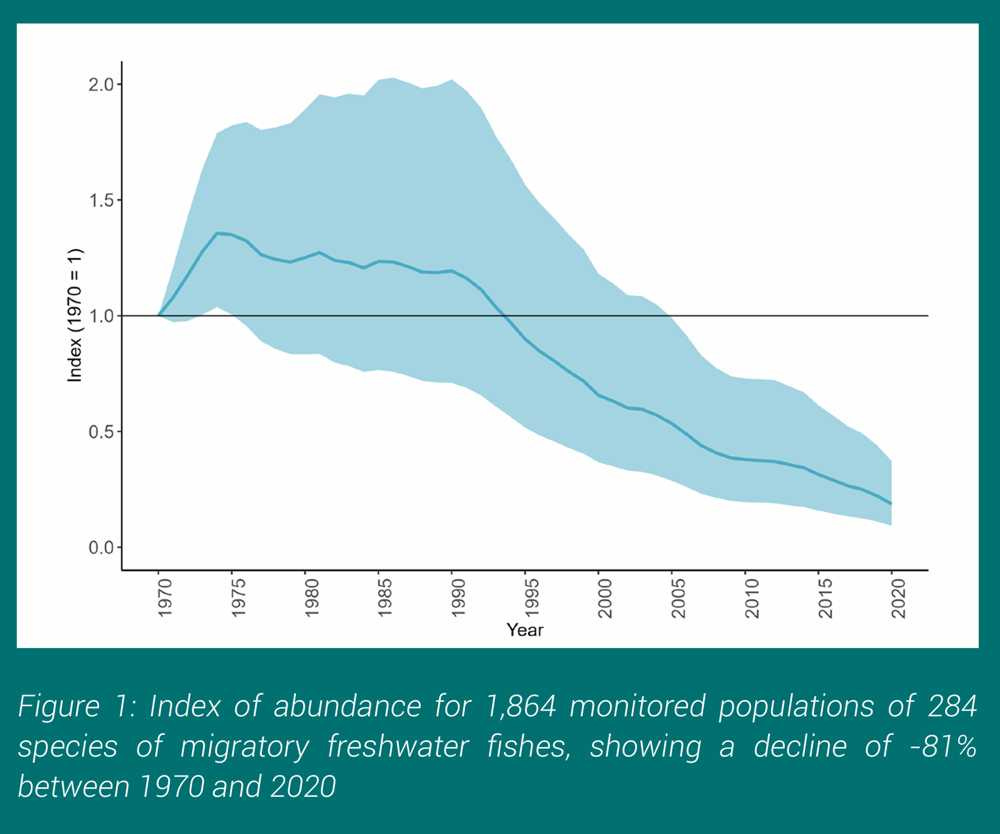
A new global assessment found that migratory freshwater fish populations declined by an average of 81% between 1970 and 2020. Eighty-one percent. Sit with that number for a second. These are species that move through rivers and freshwater systems as part of their lifecycle: salmon, sturgeon, trout, eels, giant catfish and countless other species.
This is not some obscure conservation footnote. It is one of the great ecological disaster stories of our age. So why isn’t anybody talking about it?
Why Freshwater Ecosystems Matter More Than People Realize
Freshwater ecosystems are strange little miracles. Rivers, lakes and wetlands account for less than 1% of the earth’s surface. Yet they support roughly 10% of all known species and nearly 33% of vertebrates. Tiny slices of geography doing absurdly heavy lifting.
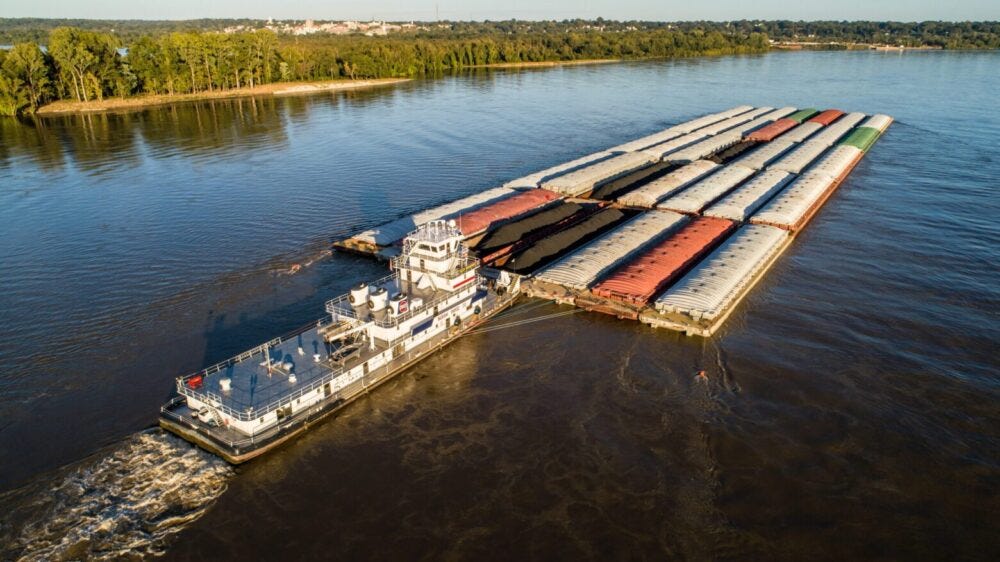
Humans being humans and doing what humans do, we looked at rivers and decided we should do absolutely everything with them. We are an exploited and extractive species. Transportation corridors. Sewers. Power plants. Irrigation systems. Industrial infrastructure. Real estate opportunities. And in my home state of Minnesota, most recently, permissions for Chilean coal mining.
Then we wondered why the fish seemed annoyed.
How Dams and River Fragmentation Are Destroying Fish Migration
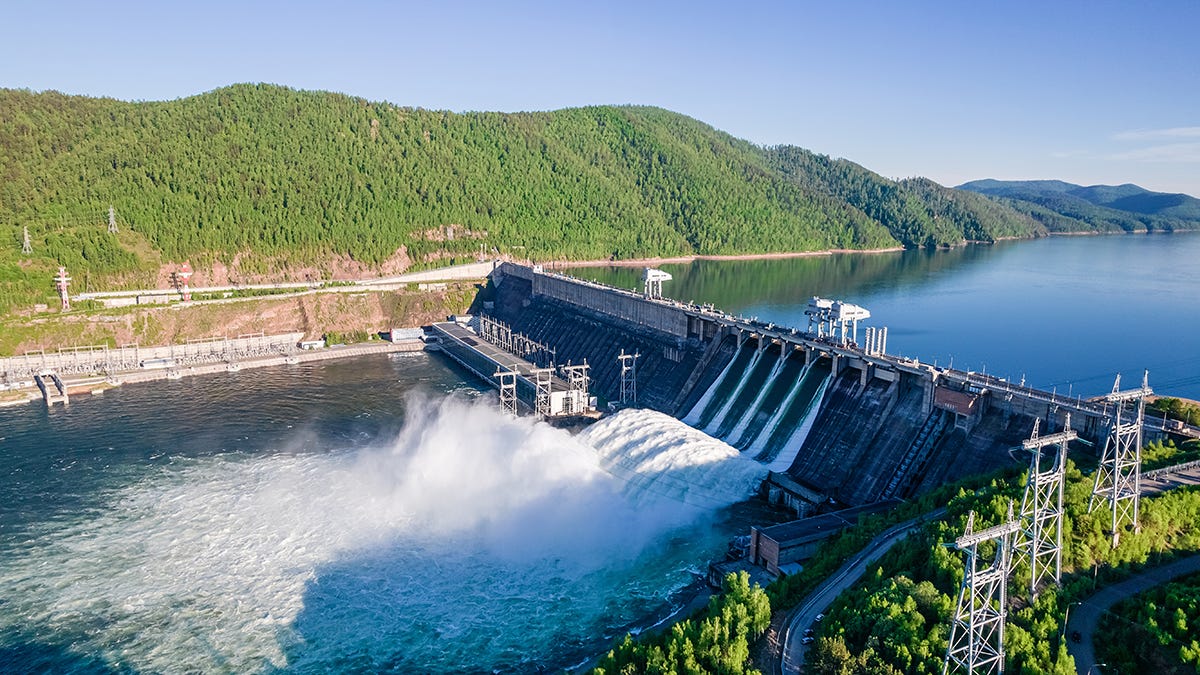
The chief culprit is what is referred to in academia as fragmentation. Rivers only work when they remain connected. Migratory fish evolved over millions of years with a simple premise: move freely between feeding grounds, breeding grounds and nurseries.
Meanwhile, we filled rivers with dams, barriers, diversions and more concrete than we can ever contemplate. Europe alone has more than 1 million barriers interrupting waterways. Imagine building a city where every road suddenly ended in a brick wall. That is effectively what we have done.
Overfishing plays its role. Pollution does too. Climate change compounds everything. Warmer waters, altered river flows, drought, invasive species. It’s all death by a thousand cuts.
The Global Food System Depends on Freshwater Fish
As someone who spends a great deal of time thinking about food systems, especially the future of blue foods, I find the conversation around fish oddly selective.
People hear “fish crisis” and automatically think oceans. Tuna. Cod. Coral reefs.
But freshwater fish sustain hundreds of millions of people worldwide. Inland fisheries feed communities across Africa, Asia and Latin America. They support livelihoods, local economies and cultural traditions that long predate modernized food systems.
These are not niche species disappearing in remote places.
This is food disappearing.
This is nutrition disappearing.
This is culture disappearing.
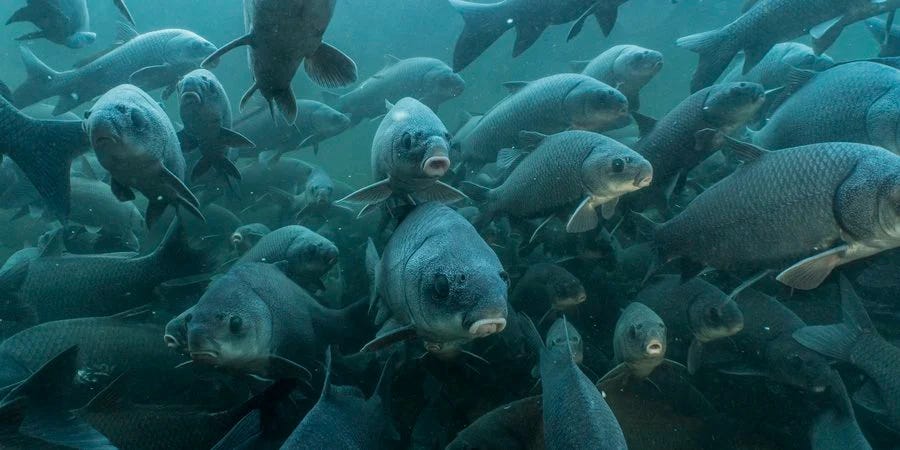
Fish Migration Is One of Earth’s Great Natural Spectacles
There is another wrinkle here. Fish migrations are among the greatest animal spectacles on earth. We simply do not see them. Wildebeest migrations happen on television. Eel migrations, not so much.
Out of sight has become out of policy.
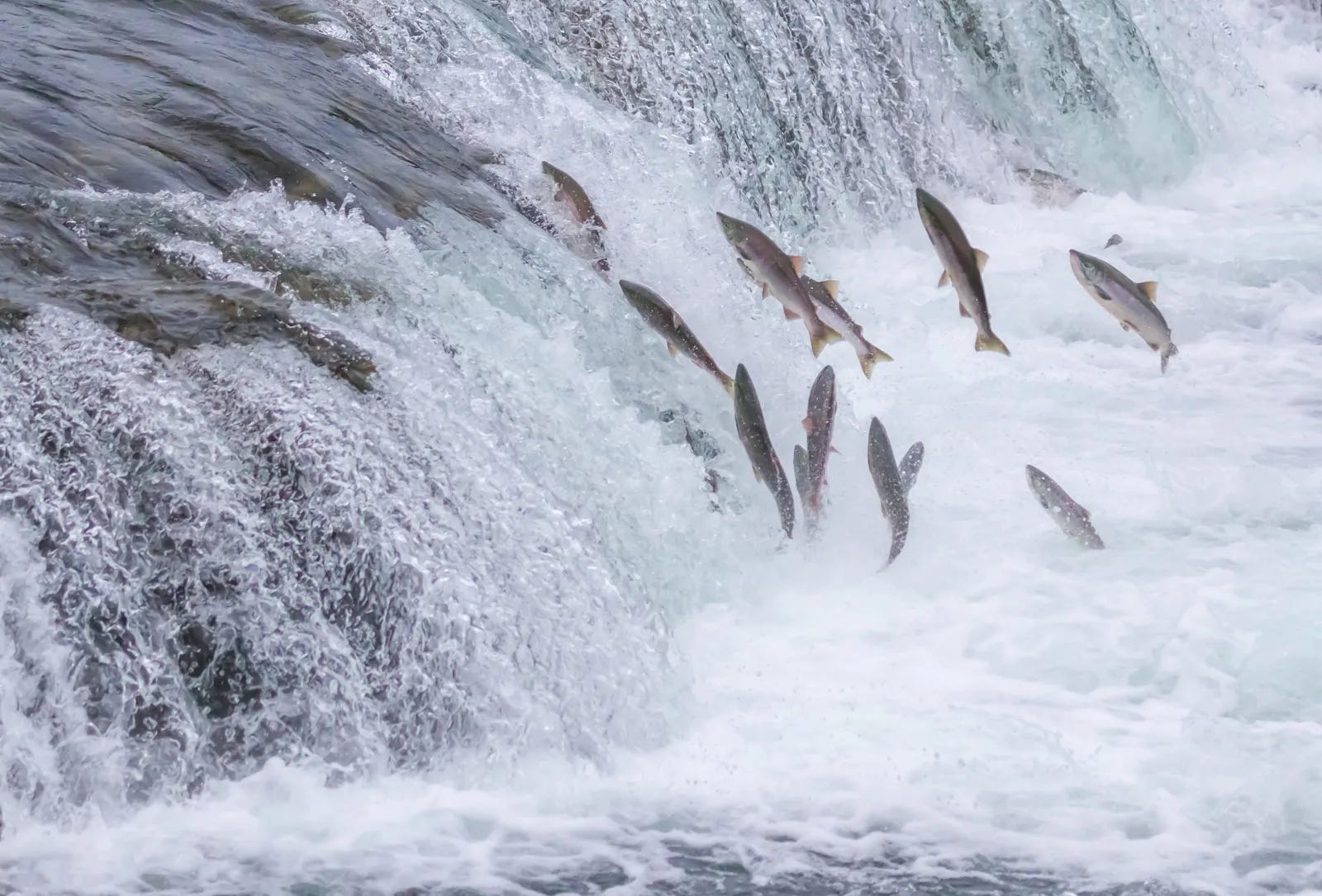
River Restoration and Dam Removal Actually Work
Yet there is reason for optimism. Some populations have stabilized or improved. Dam removals in many cases are helping rivers recover. Restoration of habitat is working. Better fishery management works. Conservation sanctuaries work.
The solutions are not theoretical. They already exist. What’s surprising is why we aren’t supporting them more aggressively. If the results are quantifiably positive, why not invest in them?


Well, the challenge is attention. And our habit of ignoring proven solutions to problems of epic proportions.
We are ostriches burying our heads in the sand.
Environmental debates become theatrical. They become performative political showcases. We fight symbolic battles because symbols are emotionally satisfying. But fish do not care about our politics or our branding exercises.
They care about whether they can get upriver. For all our technology and sophistication, that remains the test.
The fish are sending us a message. It is not subtle.
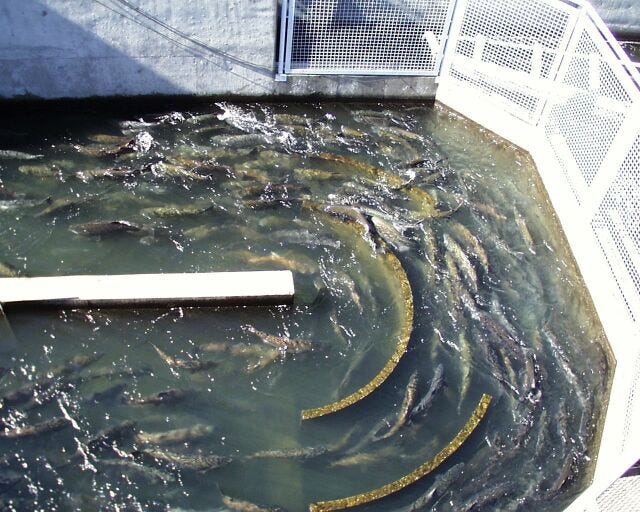
Rivers Need to Function Like Rivers
Rivers need to function like rivers.
If we continue treating them like industrial plumbing systems with some pretty scenery attached to them, we should not act surprised when life itself drains out of them.
Preventing that means leaning into what’s already working. Not clapping ourselves on the back for opening a few dams. That’s a good start, not a victory lap. If we do not expand those programs and create more protected wildlife zones, more animals will die. And our current administration seems hell-bent on systematically eliminating many of our natural refuges.
The act is a criminal one.
Fish eventually vote too.
Not with ballots.
With absence.
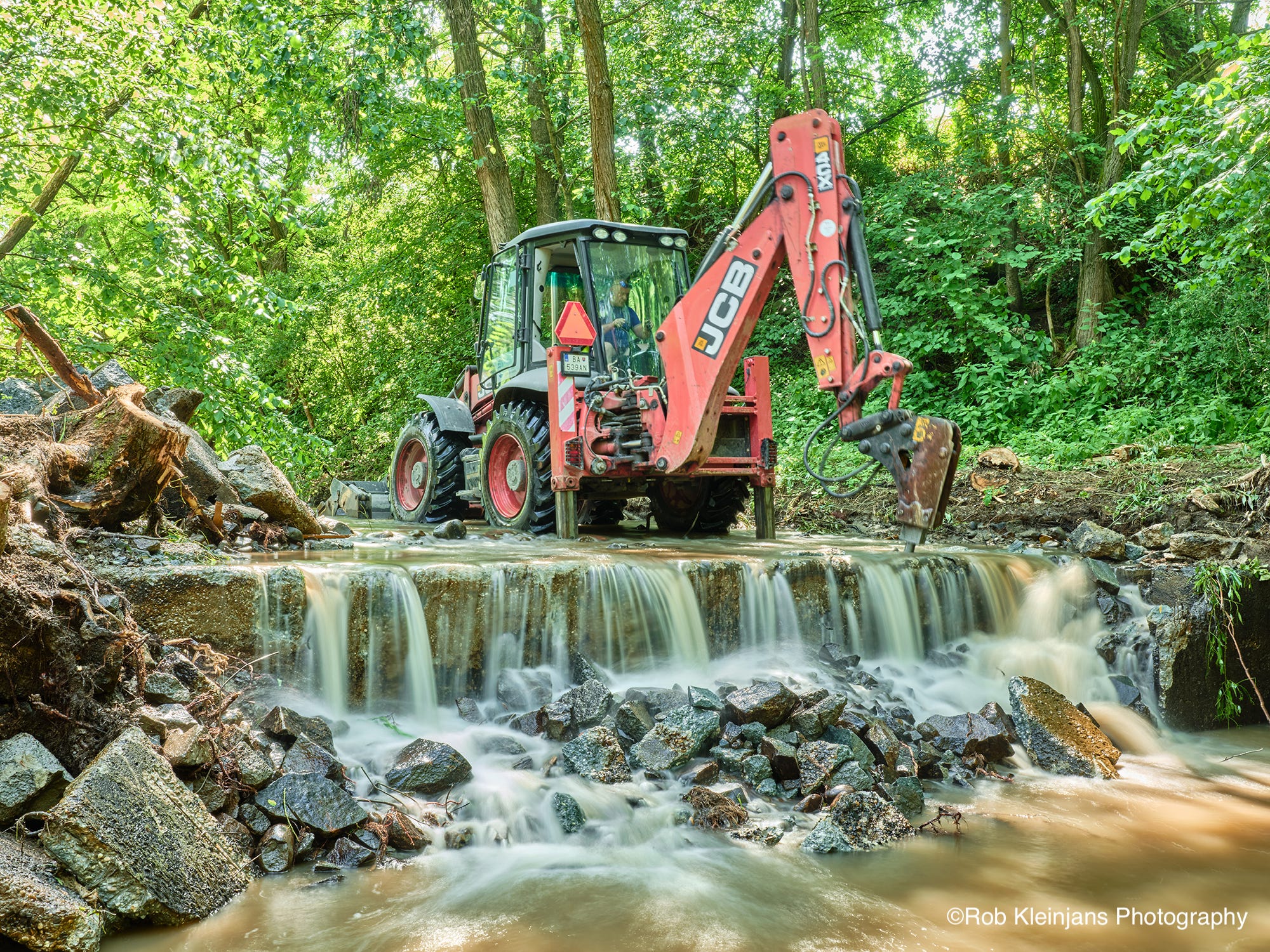
Reading this through a Latin American lens, got me thinking about how these pressures extend from rivers to the ocean as well. On the Peruvian coast, for example, there have been growing concerns about squid scarcity and tensions linked to large foreign industrial fleets operating near the EEZ, which adds another layer to how fragile these systems already are for local fishing communities..
Great article. Thank you. Let me add. Here’s some detail on the removal of 4 dams on The Klamath two years ago and the current hopeful, though below target, status.
https://substack.com/@kenlloyd/note/c-298276388?r=1h74ff&utm_medium=ios&utm_source=notes-share-action