
Fried Seafood: Spilled Milk #369
Today's recipe, a preview from "The Blue Food Cookbook," is free for all readers. Fritto misto is as delicious as it is historical, and you can make it at home in a few simple steps.

Today’s FREE newsletter includes:
A behind-the-scenes glimpse at a recipe and some beautiful photos from “The Blue Food Cookbook,” which will be released next month.
A look back at the origins of fritto misto, which come from a true clash of cultures in Italy.
Step-by-step instructions for making a salty, crunchy batch of fritto misto.
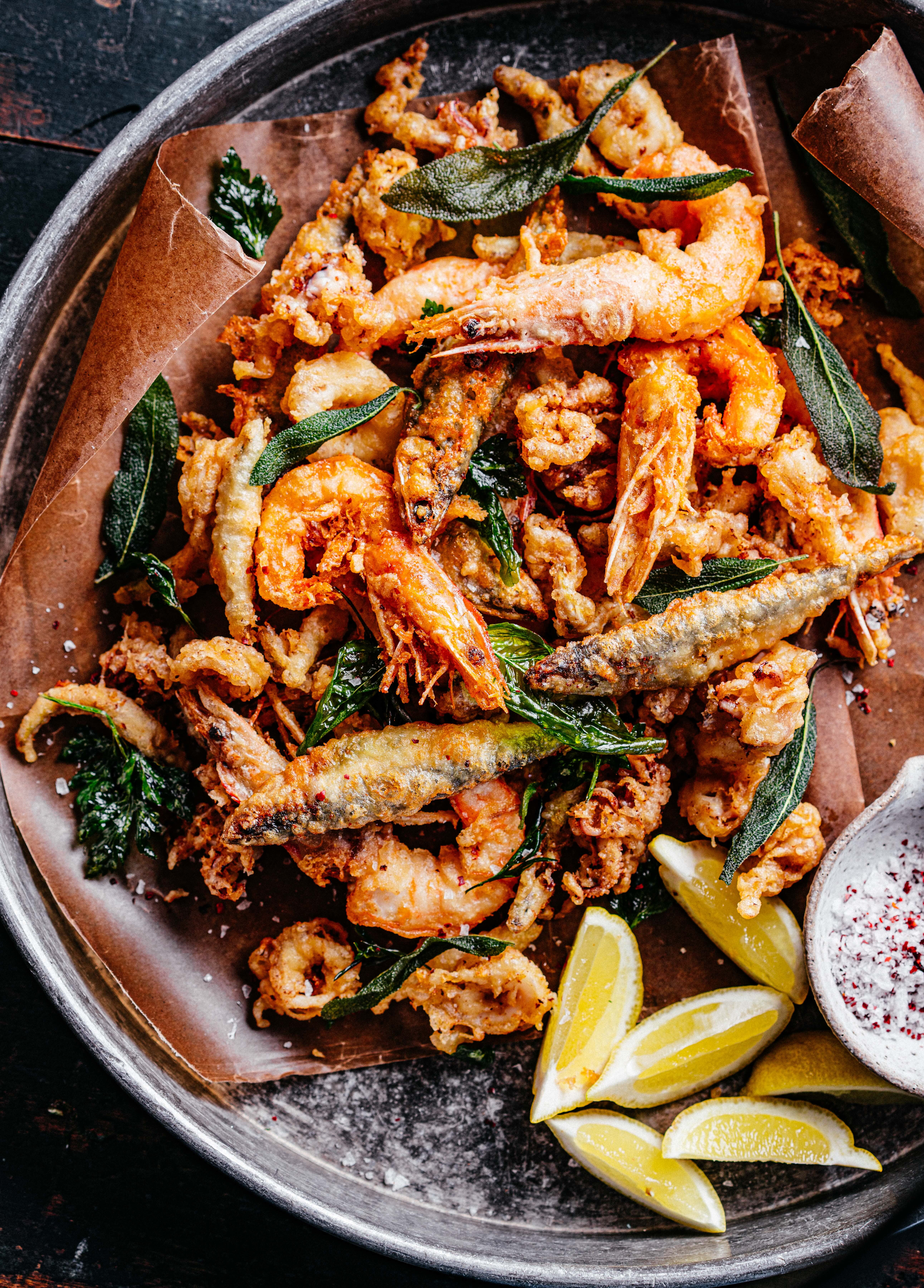
Fritto misto is one of those Italian dishes that seems so obvious, so inevitable, you’d think it must have been born alongside the fishing boat. A pile of seafood dredged lightly in flour and tumbled into hot oil until the edges crackle like parchment? It’s simple, rustic and irresistible. But story of how fried fish became Italian is less straightforward and more tangled in history, religion and migration than a net full of anchovies.
The frying itself wasn’t an Italian invention. Techniques for cooking in oil arrived with waves of conquerors and traders. Arabs brought the craft of deep-frying to the Mediterranean during their centuries in Sicily, giving the island its panelle, arancini and sfingi. Jews, forced out of Spain by Ferdinand and Isabella in 1492, carried with them their culinary traditions of frying fish in oil, recipes that later found a home in Rome’s Jewish Ghetto. Walk through that quarter today, and you can still taste the echo of Sephardic kitchens in the fried artichokes and salt cod.
Great news, Spilled Milkers: “The Blue Food Cookbook,” by Andrew Zimmern and Barton Seaver, in collaboration with Fed by Blue, is available for preorder. It’s a celebration of fish and shellfish and will be your seafood bible.
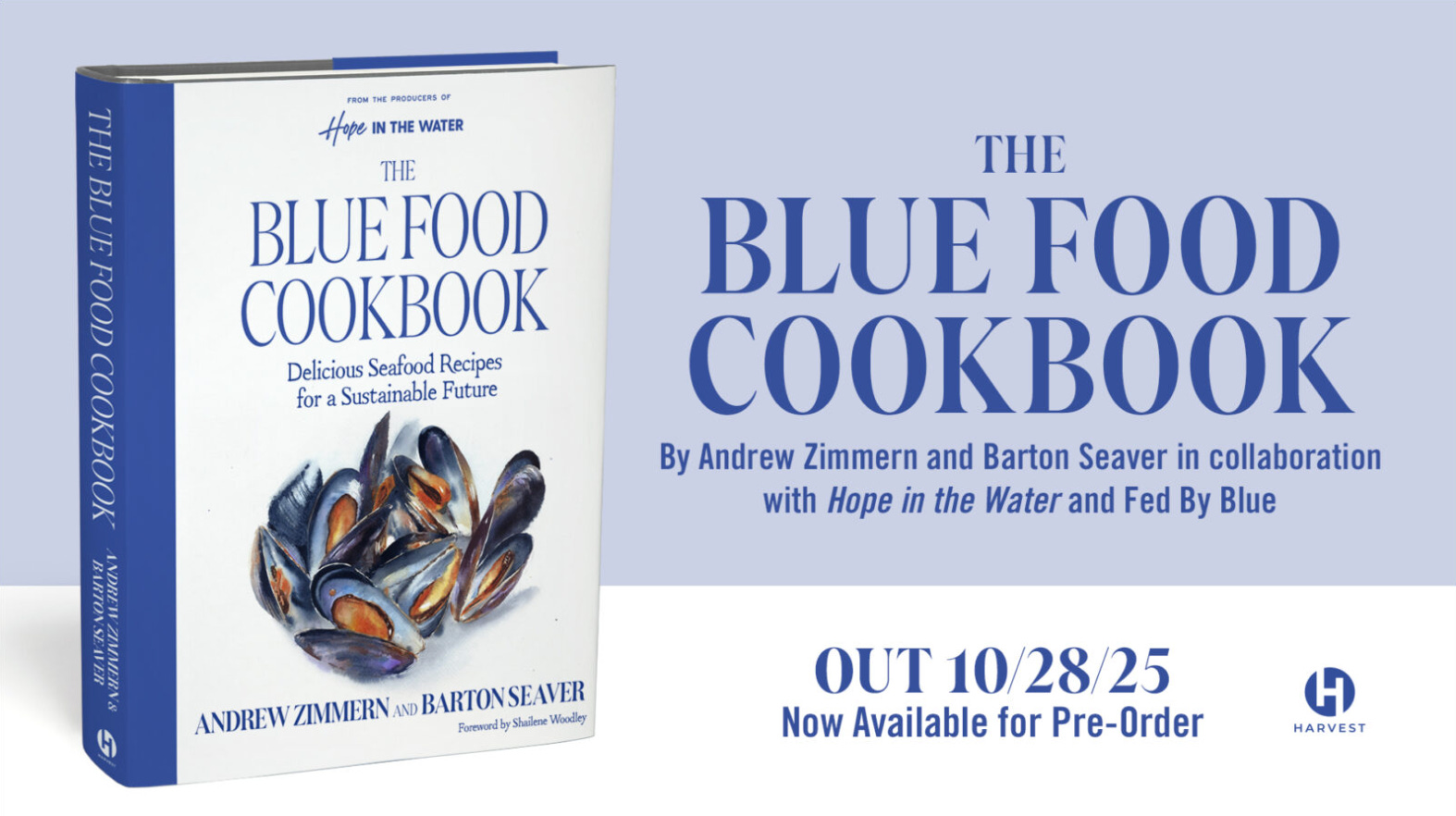
Preorder it today, and it’ll be delivered to your doorstep as soon as it’s released. You won’t regret it!
So the Jews and Arabs supplied the technique, but it was the Catholic Church that guaranteed the market. Catholic fasting rules once required abstention from meat for roughly half the calendar year. That left plentiful, varied and portable fish as the go-to substitute. Frying wasn’t just a matter of flavor; it was practicality. Hot oil sealed in moisture, extended shelf life and made even humble sardines or smelts seem festive. The church, in effect, created the demand for seafood that begged to be fried.
By the Renaissance, fritto misto had become a ritual of abundance. In Venice, the lagoon’s catch (small soft-shell crabs, shrimp, tiny fish of all kinds) met olive oil and flour in a celebration of plenty. In Naples, the streets rang with vendors frying whatever the day’s haul offered, passing cones of scalding hot fish to laborers and aristocrats alike. The very name, “mixed fry,” signals inclusivity: Calamari cozies up with whiting, shrimp with anchovies. No hierarchy, just the democracy of the fryer.
Today, fritto misto is a postcard from Italy’s coastal kitchens, but it’s also a palimpsest of Mediterranean history; Jews fleeing persecution, Arabs expanding empire and the Church enforcing abstinence all left their deliciously oily fingerprints on the plate. This is what makes for such great storytelling, and it amplifies the delight in eating the dish. Every bite is a crunchy little history lesson. And like history itself, it’s best consumed quickly, with some salt and a squeeze of lemon before it goes cold.


Recipe: Fritto Misto
Serves 4
This dish of mixed fried seafood should be served with lemon and sea salt. Period. Let the flavors of the fish, squid and shrimp shine thorugh here. When I cook this at home, I serve it as an appetizer or hors d’oeuvre in my kitchen, with my guests bellied up to the counter, drinking aperitifs or a glass of champagne. I serve it by seafood type and insist on frying the seafood as guests gobble it up. Fried food this perfect, when eaten hot out of the oil, is heavenly. If it sits for a few minutes, it’s good. If it sits for five minutes, the magic is gone. Try it once my way, and you will be hooked forever.
Ingredients:
1 pound head-on shrimp, peeled and deveined, with head left on
1 pound anchovies, white bait, smelt or other small whole fish1
1 pound cleaned squid, cut in 1/2-inch pieces
salt
8 cups vegetable oil (I like grapeseed or peanut oil best)
4 cups all-purpose flour
2 teaspoons ground white pepper
6 tablespoons potato starch
2 cups very dry white wine
4 parsley sprigs
4 sage sprigs
2 basil sprigs
1/2 cup club soda, plus more if needed
1/2 cup ice
lemon wedges
sea salt mixed with red chile flakes and ground in a mortar and pestle
special equipment: candy/fryer thermometer
Instructions:
Prepare all the seafood. Make sure it is all very dry. Season with salt and set aside while you prepare your station.
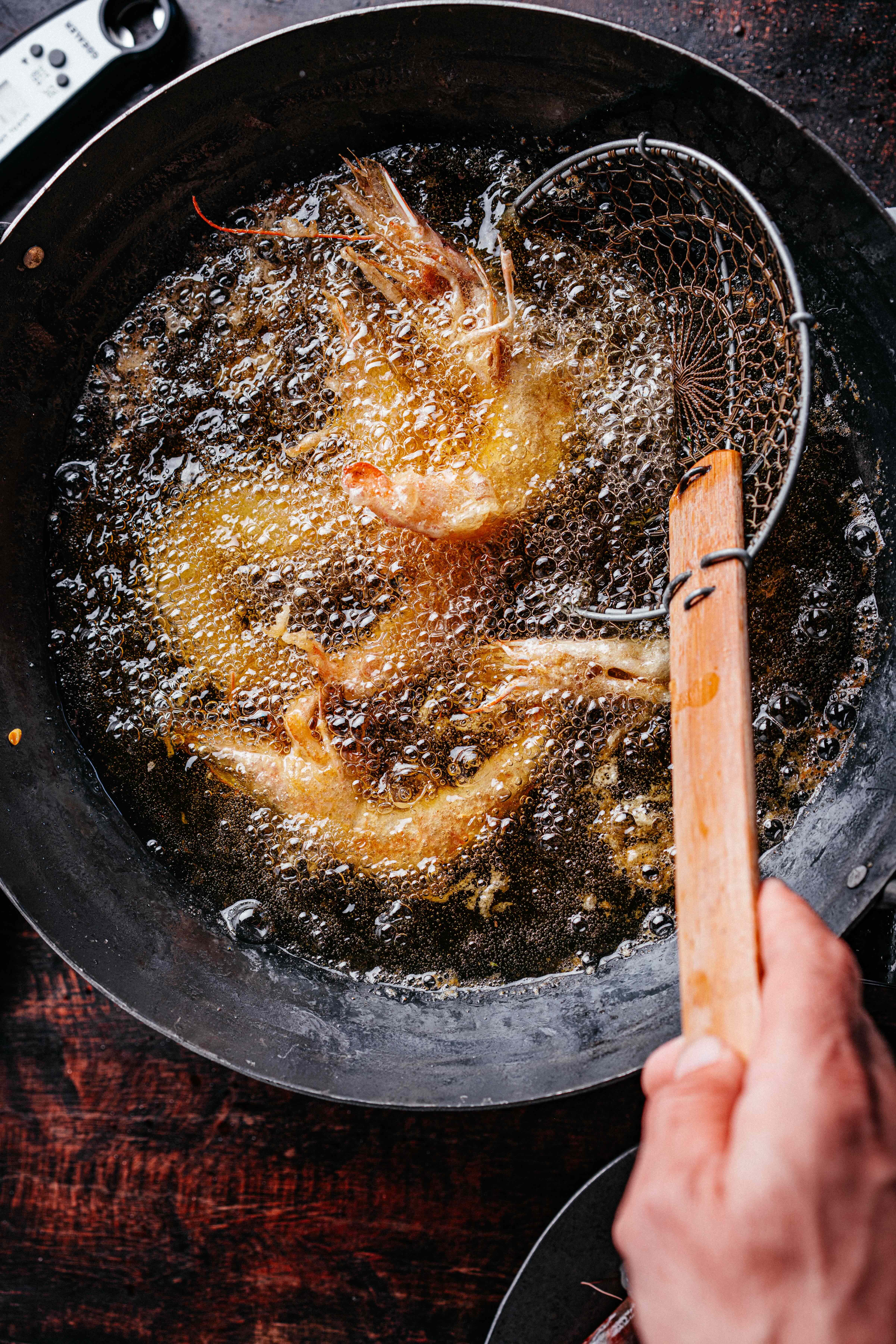
Heat the oil in a large deep pot or, even better, in a wok (that’s how I fry mine) to 300 degrees. Keep a thermometer in the oil at all times.
Mix 2 cups of the flour with 2 teaspoons salt and the white pepper in a pie tin and set it on the counter. I love pie tins for dredging, and you can use thin metal tins or disposable tins.
Mix the remaining 2 cups flour with the potato starch and 1 teaspoon salt in a very large bowl. Whisk in the wine.
Get organized on the side of the stove where your oil is. Place the batter next to the pot first, then place the flour dredge next to that, and put the seafood next to that. On the other side of the oil, place a tray lined with paper towels and a rack over that.
Have the lid of the pot ready beside the pot. When the oil reaches 300 degrees, add the parsley, sage and basil, immediately cover (it will splatter), and fry until crisp; this will only take a few minutes, if that. Remove with a slotted spoon and reserve on the rack. Raise the temperature of the oil to 375 degrees.
Whisk the club soda and ice into the batter.
Working in batches, dredge the shrimp in the seasoned flour and knock off any excess. Dip it into the batter. It should coat but run off. Add more club soda if the batter is too thick. Fry the shrimp, in two batches, for about 3 minutes, until golden. Remove with a mesh or wire strainer, reserve on the rack and season with salt.
Serve on a plate with some of the herbs, lemon wedges and chile salt.
Clean the oil of any burnt batter pieces.
When the shrimp have been eaten and the oil in the wok is back to 375 degrees, repeat the battering and frying process with the anchovies and serve to your guests with some of the remaining herbs and more lemon and chile salt as needed. Repeat again with the squid (or whatever other seafood you are frying). The rings of the squid will cook very quickly, only 1 or 2 minutes.

To prepare anchovies, make a shallow incision at the bottom end of the belly and cut upward toward the head. Under running water, gently rinse away the innards. Lay on paper towels to dry well. If you don’t have small whole fish, use small filets of fish a size up or fillets of thin fish like rouget or mackerel.
Yum